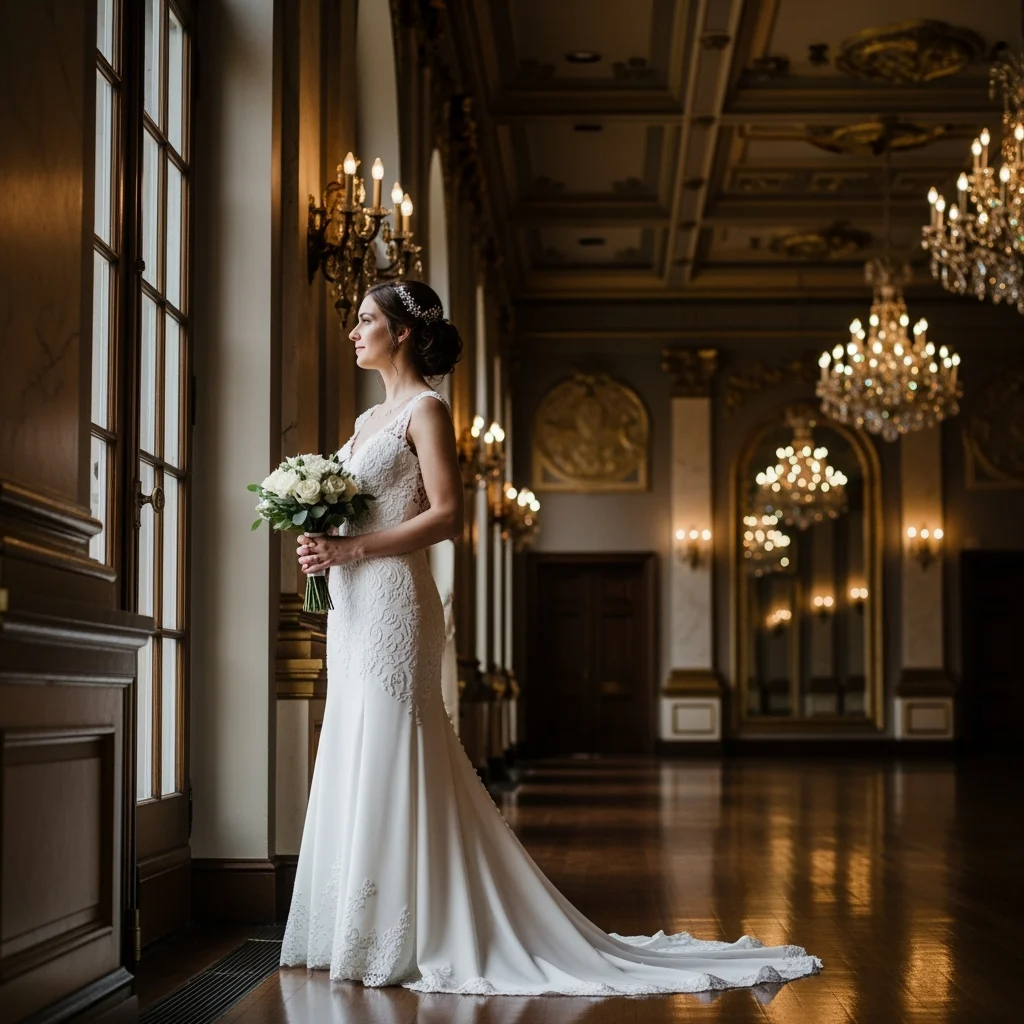
I’ve toured dozens of sites across the metro area, and when I want to point couples toward a truly special setting, I recommend a premium wedding venue in Alpharetta, GA, that balances timeless charm with modern conveniences. For couples who want data to back up their venue decisions, the U.S. Census Bureau reports steady growth in this region that’s driving demand for well-appointed event spaces and elevated guest experiences (U.S. Census Bureau).
What “premium” actually means for your wedding day
When I say “premium,” I’m not only talking about pretty grounds and high-end finishes. A premium wedding venue in this area delivers a complete experience: privacy, seamless logistics, and thoughtful vendor partnerships that protect your time and budget. That means dedicated event coordinators, reliable on-site amenities, bridal suites that feel like a calm sanctuary, and flexible indoor/outdoor options so rain or heat won’t derail your plans. In short: it’s a place that takes work off your plate while elevating the visual and emotional tone of the entire day.
Why Alpharetta is a smart choice for weddings
Alpharetta offers the best of both worlds—easy access for guests driving in from Atlanta and a leafy, small-city feel for photographs and guest comfort. Neighborhoods like downtown Alpharetta, Avalon, and Crabapple provide convenient lodging and restaurants within minutes, while quieter pockets near Windward and historic areas deliver scenic photo backdrops. Choosing a venue in the city gives your guests a stronger local experience while keeping travel uncomplicated.
Local advantages that couples tell me matter most
Couples I consult with repeatedly mention three local advantages: shorter travel times for most guests, diverse nearby vendor options, and year-round availability for outdoor or mixed indoor/outdoor ceremonies. These help lower overall stress and often reduce travel-related costs like shuttles or overnight stays.
Top trends shaping premium weddings right now
Two trends I keep recommending to couples are micro and hybrid weddings and sustainability-first planning. Micro and hybrid formats let you keep the celebration intimate while including distant friends and family via a high-quality livestream. Venues that already have AV systems or quiet, camera-friendly sight-lines make this far simpler. On sustainability, premium venues are increasingly offering local catered menus, zero-waste options, and native-plant landscaping that looks beautiful and lowers environmental impact.
How to evaluate a venue—the checklist I use with clients
I always encourage couples to visit a venue with a clear checklist so the decision feels objective. Here are the essentials I cover in every tour:
- Logistics and flow: Is there a clear path from ceremony to cocktail hour to reception? How will vendor load-in work?
- Included services: Which staff, tables, chairs, and basic linens are included? Are there on-site catering or preferred vendors?
- Weather plan: Is there a usable indoor backup? How much does a tent option affect sightlines and photos?
- Privacy and exclusivity: Will other events run simultaneously, or will you have the property to yourselves?
Questions to ask on your venue tour
Beyond the checklist, specific questions reveal how the venue handles real-world problems. Ask about the timeline flexibility, noise curfew, alcohol policies, and payment/cancellation terms. I always advise couples to request a floor plan that includes measurements and a walk-through plan for where vendors will set up, so you can avoid day-of surprises.
Vendor coordination and preferred partners
Premium venues often maintain a curated list of vendors who know the space. That’s a time-saver—but don’t feel boxed in. Ask whether you can bring your own vendors and what additional fees might apply if you choose outside partners. The best venues will help coordinate logistics (load-in windows, power access, and parking management) without forcing you into a single vendor ecosystem.
How to plan a stress-free timeline
Over the years I’ve developed a simple timeline framework that keeps the day relaxed and well-paced. Share this with your planner or venue coordinator as a starting point:
- Guest arrival and ceremony start time with buffer for late arrivals and seating.
- Short cocktail hour right after the ceremony while family photos happen.
- A reception entry that flows into first dances and speeches before dinner service.
- Planned wind-down with a clear end time to avoid surprises about music or lighting curfews.
This level of structure preserves the feeling of an unhurried celebration while ensuring vendors and staff know what to expect.
Photo-ready features to prioritize
Photography is one of the most lasting elements of your wedding investment. Look for venues with a variety of texture and light: open lawns framed by mature trees, intimate courtyards with warm architectural details, and a well-lit indoor space with high ceilings and natural light. Premium venues typically have multiple “photo zones” so your photographer doesn’t spend the whole day shuttling you between far-apart spots.
Accessibility and guest comfort
Remember guest experience beyond looks. Is there convenient parking or shuttle access? Are walkways wheelchair-friendly, and is the indoor space climate-controlled? Premium venues prioritize these basics because a comfortable guest is more present in the moment. If many guests will travel from out of town, proximity to hotels and restaurants in downtown Alpharetta or Avalon becomes a practical advantage.
How the venue helps you stay on budget
At first glance, premium venues can seem costlier. But when you factor in what’s included—tables, chairs, basic linens, an on-site coordinator, and a realistic rain plan—the total cost can be competitive. I advise clients to map a full cost worksheet showing what’s included versus what’s an add-on, and to ask about the typical vendor packages other couples choose at the venue. That historical insight often highlights smart cost-saving moves.
Problem spots to watch for and how to solve them
Based on what I’ve seen, three recurring pain points are timing conflicts, unexpected add-on fees, and guest logistics. Here’s how to avoid them:
- Get the full contract early and flag anything vague about overtime, staffing, or vendor fees.
- Confirm load-in and breakdown windows in writing so vendors don’t get charged surprise overtime fees.
- Plan guest transit—reserve a shuttle or list nearby parking lots—so arrival is smooth and on time.
Proactive communication with the venue manager reduces most of the common headaches.
Real-world examples of elevated touches
During site visits I notice small, repeatable touches that signal a venue’s commitment to a premium experience: a private getting-ready suite with makeup-friendly lighting and a nearby restroom for guests; a dedicated staging area for live bands with reinforced flooring and quick power access; and well-placed marshaling areas so photographers can shepherd guests without blocking service paths. These design choices matter on a practical level and create more beautiful photos and calmer logistics.
Green and community-focused initiatives
More venues in this market now emphasize community partnerships and eco-friendly options: local caterers using farm-to-table menus, composting programs, and reduced single-use plastics. If sustainability is a priority for you, ask the venue which local vendors they recommend and what policies they have in place to minimize waste.
How to choose between multiple premium venues
If you’re deciding between two or three great properties, I suggest a 3-step decision framework I use with clients: 1) Prioritize the non-negotiables (accessibility, guest capacity, weather contingency); 2) Compare the real out-the-door price after mandatory fees; 3) Imagine your day there—which property fits your vision and feels simplest to coordinate? Often the right choice is the venue that makes your planning life easier, not the one that simply looks better in isolation.
Final planning tips before you sign
Before you put down a deposit, ask for a list of recent weddings (with dates and basic layouts) so you can see how the venue performs in different seasons. Request references if you want extra reassurance. Confirm insurance requirements and whether the venue provides liability coverage or expects vendors to carry their own. Small details in the contract—like who controls music volume and whether confetti or sparklers are allowed—can make a big difference on the day itself.
I’ve walked couples through small-town logistics and big-city expectations, and the best weddings happen when the venue and couple are aligned on vision and execution. If you want a place that feels private but is easy for guests to reach, that offers both scenic outdoor space and a polished indoor reception area, and that supports hybrid or sustainability-forward celebrations, a premium wedding venue in Alpharetta, GA, is worth touring.
If you’re ready to take the next step and see the space in person, I recommend a guided tour so you can assess logistics and visualize your timeline with the venue’s team. For a venue that combines polished event coordination, versatile indoor/outdoor options, and an elevated guest experience in Alpharetta, consider booking a visit with The Grove at Bailey Farms.